

Play Therapy
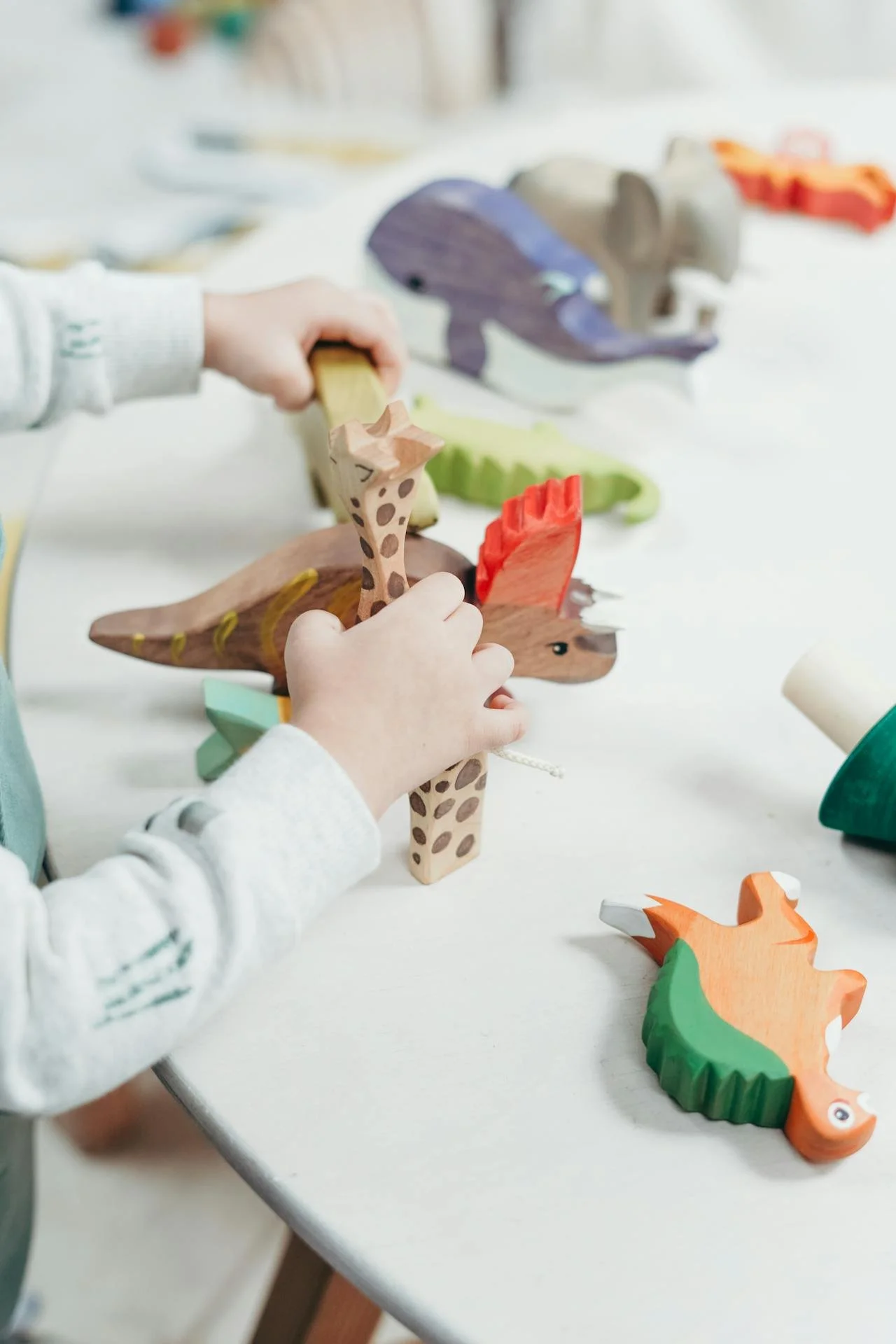
Play Therapy is to kids what talk therapy is to adults. Children use play because it is their natural language, and toys become their words. Play therapy allows a child to change the way they think about, feel toward, and resolve their concerns, in a non-judgmental, safe space.
Play Therapy is the preferred intervention for working with children because they often do not have the verbal ability to express their thoughts or feelings. The positive relationship between the therapist and child during Play Therapy can provide a consistent experience that promotes well-being, empowerment and can lead to healing for the entire family.
“Toys are children’s words, and play is their language.”
Dr. Garry Landreth
— ADHD
— Anxiety
— Behavioral issues
— Depression
— Divorce
— Fears/Phobias
Play Therapy can help your family manage:
— Fighting
— Life transitions
— School issues
— Self-esteem
— Sibling conflicts
— Sleep challenges
Why Play Therapy?

Play therapy is an evidenced-based intervention which was specifically created to help children use play to understand their world and the world around them. Play Therapy is performed in a therapeutic space called a playroom which is designed to look and feel like a standard playroom, but contains toys that have been specially chosen to encourage the safe expression of feelings and streamline the learning of healthy behaviors.
This is a safe place for children to comfortably confront and address their struggles and is the ideal, developmentally-appropriate clinical approach for children.
Play therapy has been successful in addressing a variety of common challenges including:
o Behavioral Difficulties
o Child Relationship Struggles including Attachment
o Issues related to Grief & Loss such as Death, Divorce or Incarceration
o Social and Emotional Challenges
Is Play Therapy Neuroaffirming? Absolutely!
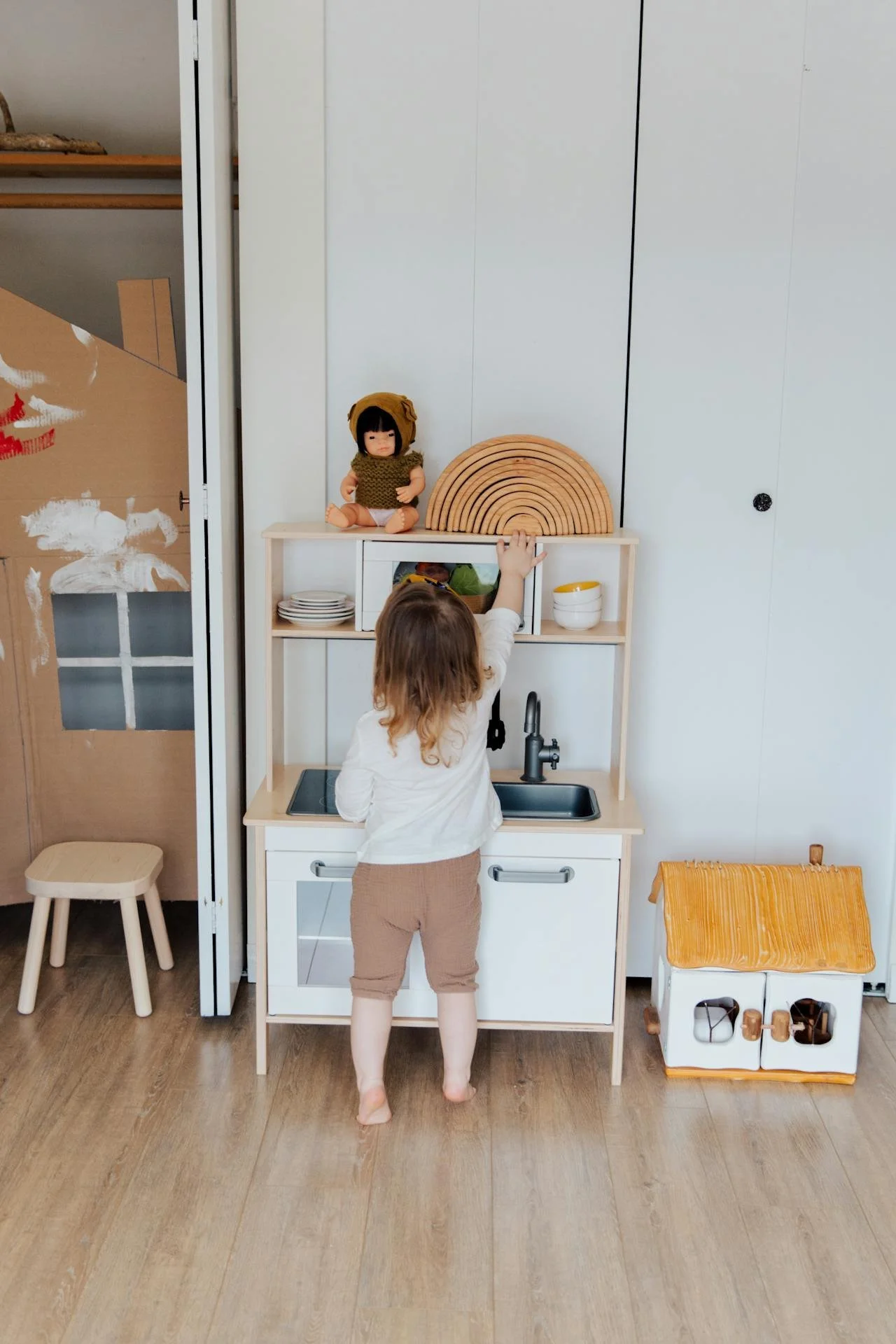
Child-Centered Play Therapy (CCPT) is a neuroaffirming approach. At its core, Play Therapy is not a technique or intervention, but a way of being with children, because the basis for change and healing is the relationship between the therapist and the child client.
Many neurodivergent children, particularly those with Autism, ADHD or AuDHD, struggle with a sense that they lack control, and if they perceive a lack of control, they do not feel safe. Play allows children to regain a sense of control. The freedom and control experienced by children in CCPT provides encouragement and the development of confidence, positive coping skills, experimentation, decision-making and problem-solving in a non-threatening way—with a safe adult, in a safe environment.
Aligning with neuroaffirming practices, in Play Therapy we consider what the child can learn or adjust to reduce their distress and build their self-esteem, not what the child needs to learn or change in order to make things easier for others. It also ensures that there is no attempt to reduce neurodivergent traits that do not cause a child any difficulty or distress, and that any goals are appropriate for that child’s developmental level and ability.
The overall mantra of CCPT is to “follow the child’s lead.” Play Therapists trust the child to lead the therapy experience where it needs to go because the child is the expert of their experience.
Play Therapy should only be provided by a Registered Play Therapist (RPT), a licensed mental health professional with extensive specialized play therapy education, training and supervised experience.
Rising Lotus offers services by a Registered Play Therapist Supervisor (RPT-S) and Registered Play Therapists in Training.
Learn more about our therapists here.